Malawi imported 402.2 million litres of petrol in 2025, up about 27% from 316.7 million litres the year before. The figure comes from the Malawi Government Annual Economic Report 2026, published by the Ministry of Finance in 2026 and citing MERA data, checked for this post on 23 November 2026.
This post sets out what the report says, what the number can't tell you, and the one fuel decision you control: the car you buy.
Quick Answer
- Petrol imports reached 402.2 million litres in 2025, up about 27% from 316.7 million the year before, per the Annual Economic Report 2026.
- All petroleum imports came to 739.7 million litres in 2025.
- The figure shows volume only. It says nothing about what any driver pays.
- Fuel use per kilometre is the part of your running bill you choose at purchase.
What does the Annual Economic Report 2026 say?
The report puts petrol imports at 402.2 million litres for 2025, up from 316.7 million litres in the previous year. Total petroleum imports for 2025 stood at 739.7 million litres. The data comes from MERA, the Malawi Energy Regulatory Authority, which oversees fuel supply and licensing in Malawi.
| Item |
Figure |
| Petrol imports, 2025 |
402.2m litres |
| Petrol imports, previous year |
316.7m litres |
| Change |
up about 27% |
| All petroleum imports, 2025 |
739.7m litres |
By our calculation, the rise works out to about 85.5 million extra litres of petrol in one year.
How should you read the number, and what can't it tell you?
Imports are what arrives in the country, not what is sold or burned. Fuel lands at depots, moves through storage, and reaches pumps over time. So a yearly import figure tells you about supply volumes, and little about any single driver's experience.
The report does not give a pump price alongside this figure, and this post does not infer one. Price is set through a separate process. The import volume on its own cannot tell you whether filling your tank will cost more or less.
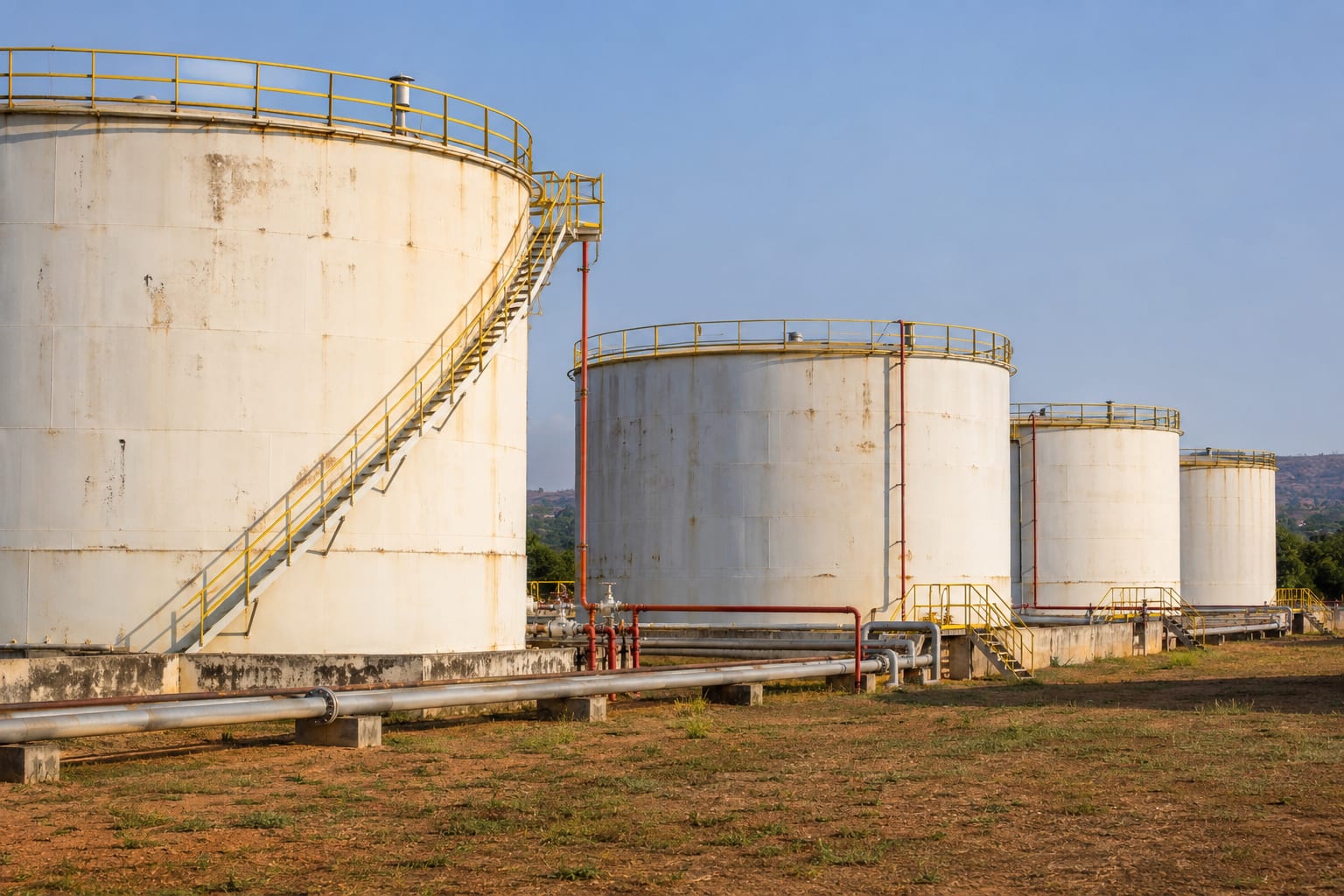 Illustration: White storage tanks with yellow railings and connecting pipes at a depot.
By our calculation, petrol made up about 54% of the 739.7 million litres of petroleum imported in 2025. The rest covers other petroleum products, which the figure we have does not break down.
For a buyer, that is a good reason to weigh fuel use before choosing a car.
What does this mean when you choose a car?
For a buyer in Lilongwe or Blantyre, fuel is a running cost you can influence at purchase. Body type and drivetrain decide most of that bill, long before you think about driving style.
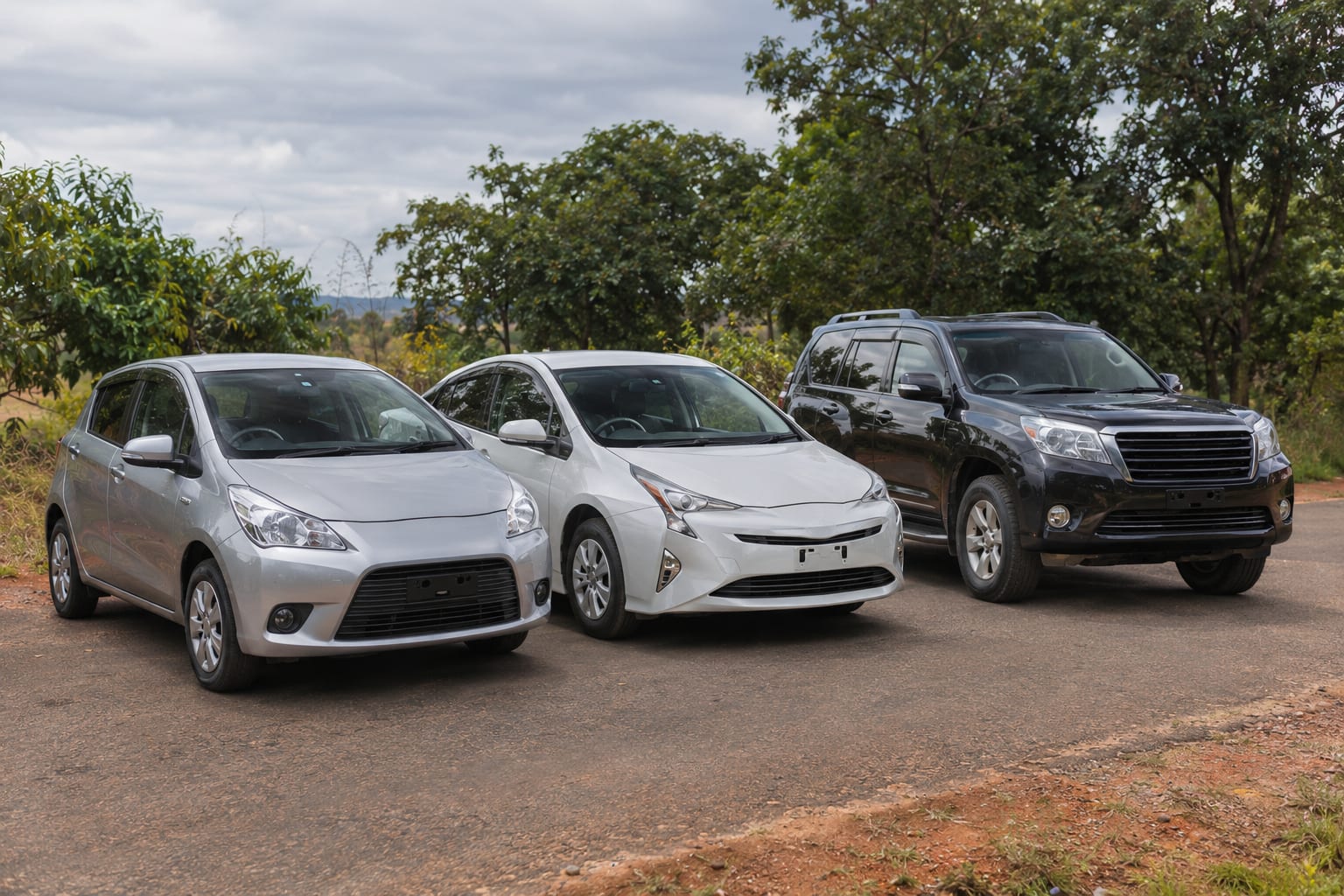 Illustration: Two hatchbacks and a large SUV parked side by side on a paved road.
Small hatchbacks
A small petrol hatchback is light, simple and sensible on fuel around town. It suits short city trips, school runs and the daily commute. The trade-off is a smaller cabin and less load space, which matters if you carry family or goods often.
Hybrids
Hybrids use less fuel than a comparable petrol car, especially in stop-start city traffic where the electric motor does more of the work. On a long open-road run, the saving is smaller but still real. The catch is upkeep. Hybrid batteries and parts deserve a check before you commit, so ask about local servicing for the model you're considering.
Larger SUVs
A larger SUV offers space, comfort and ground clearance for long trips to the lakeshore or rougher roads. It also has a bigger fuel appetite, because it is heavier and usually carries a larger engine. If fuel cost is your main worry, an SUV is probably not the right fit.
A practical tip: compare the fuel-economy line on each car's spec sheet, and match the body type to the trips you actually make.
Where can you browse fuel-sensible cars?
Carbarn sells used Japanese cars direct to Malawian buyers, and the inventory can be filtered by fuel type so hybrids and small petrol cars are easy to find. Every car is in Japan before import, and each comes with an auction sheet and a Carbarn inspection report so you can judge condition before you pay.
You can browse the full inventory and sort by fuel type to shortlist the body styles covered above.
What this does not show
The 402.2 million litre figure is a volume at the border. It does not show:
- The pump price of petrol, now or later.
- Whether supply will be tight or plentiful.
- Any trend for 2026 or beyond.
- How much fuel you, personally, will buy.
Method and sources
- Malawi Government Annual Economic Report 2026, Ministry of Finance, citing MERA data: petrol imports of 402.2 million litres in 2025, 316.7 million litres the year before, and total petroleum imports of 739.7 million litres. Checked 23 November 2026.
- The 27% rise, the 85.5 million extra litres and the 54% petrol share are our own calculations from those figures.